
Apology on the BBC Film Network
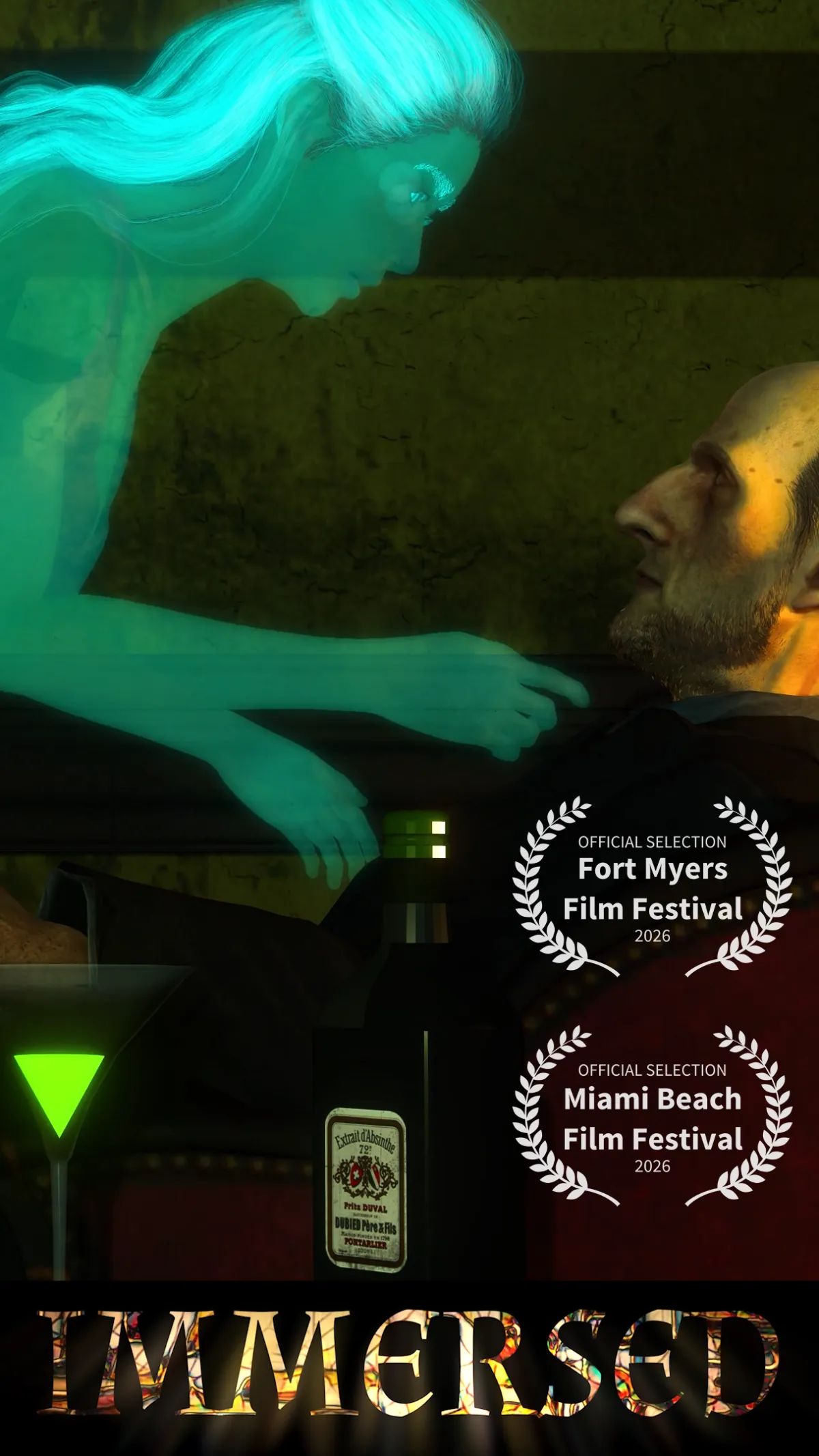
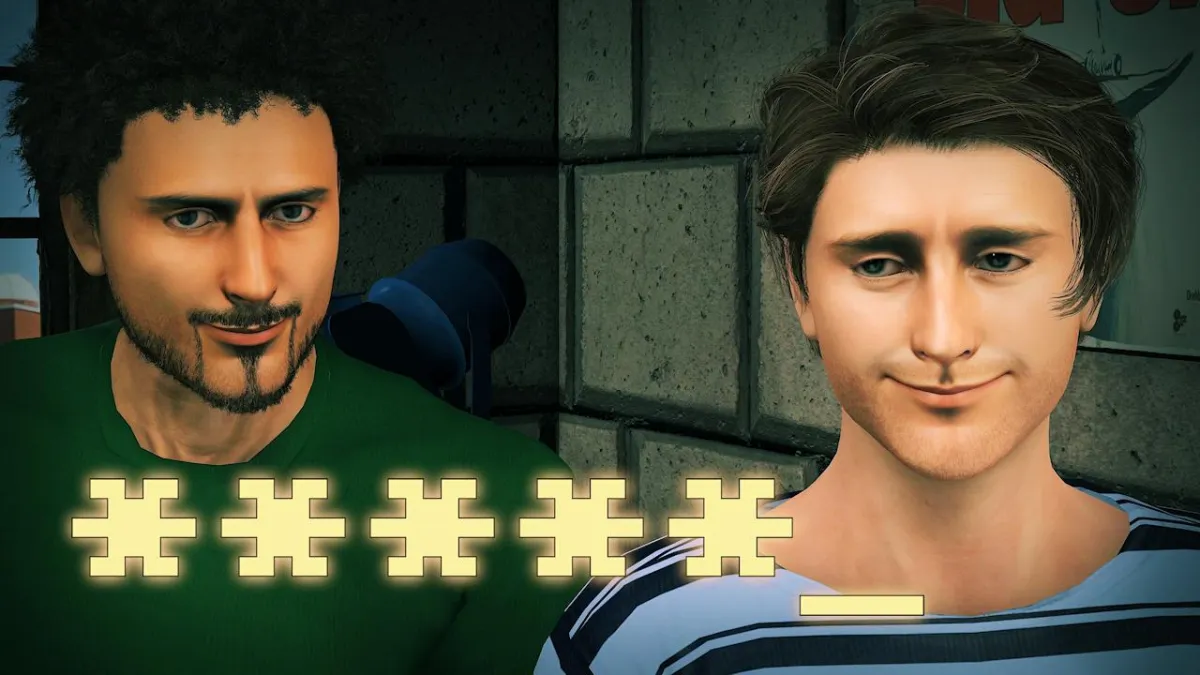
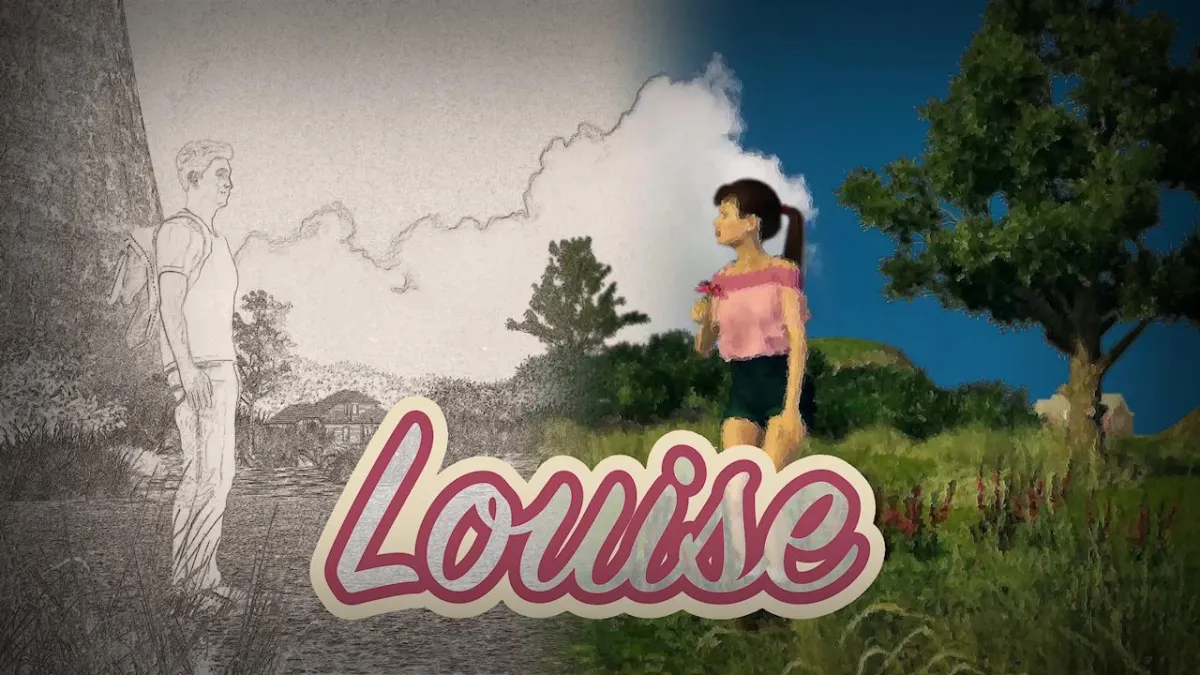
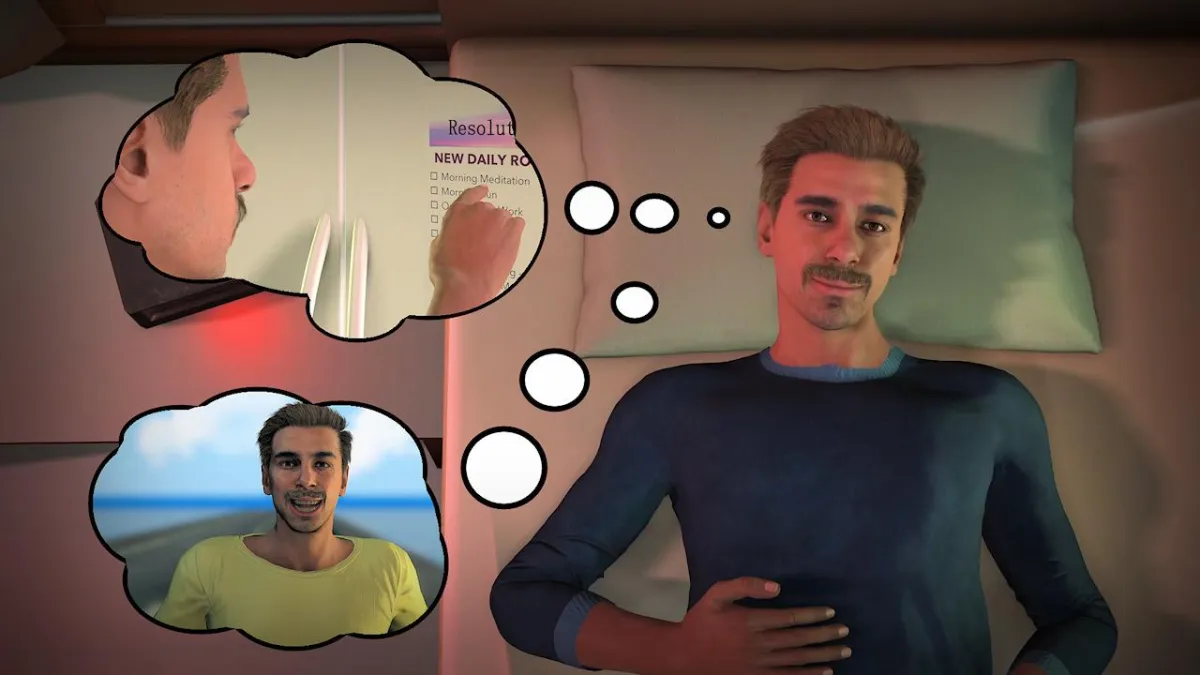
I’m not sure if it ends up getting broadcast in TV land, but on the BBC Film Network website they’ve done a feature piece on machinima, inspired by what they saw at the Cambridge Film Festival last weekend. Their Senior Producer had contacted me a few days ago to get my permission to use Apology - it was so nice to be in a legal position to tell them yes without reservation! - and they ended up putting it and Moviestorm front and center to the short writeup. They even linked to my website’s page for the film, for people who want to see the whole thing. Class!
Someone calling himself Saint John Walker posted a comment there with the title “Machinima out of the Games ghetto” that I found interesting:
It’s an exciting time for machinima as software such as Moviestorm and Antics introduces the concept to non-gamers, thus broadening the demographic.
There’s been some amazing pieces at the Cambridge Film Festival that point the way to a new direction, and a new niche for machinima. Interestingly, as a sign of a maturing medium, people are STOPPING debating the lack of realism that so often got levelled at machinima; a sure sign of maturation (theatre never seemed real to me but seems to get along fine as a powerful tool of communication!).
Actually the idea that Machinima is a form of puppetry is a useful way to look at it.
As DV production energised film, so machinima may impact on both 3D animation and film.Games culture gave the original impetus to machinima, but its future may well be in a new film genre. It’ll need a new breed of machinimators to work out how to manipulate emotion without mimicing film conventions eg close-ups (facial expressions are no match for film quality, so why use this in machinima), and to develop a new grammar of shots, specific to machinima.
I agree with many of his sentiments, but I’m not sure I’m with him all the way in that last paragraph. “Facial expressions are no match for film quality, so why use this in machinima?” I do indeed like the notion that there may need to be (and in fact, already may be) a new cinematic language evolving specific to machinima, but I’m not ready to give up on closeups. Facial animation technology continues to improve in realtime graphics, and the technology behind it is moving quickly in the direction of affordability. But even if realtime rendering never achieves with face what a seasoned film actor can do, I don’t think that marginalizes the value of closeup shots. I think closeups are a vital part of the emotional language of cinema, and it’s hard to imagine an effective character-driven piece without them, even if the faces in question are inherently less emotive than their real life counterparts.
I am definitely in favor of forging new territory in terms of camera techniques and cinematic grammar, but at the same time I don’t think it’s wise to simply ignore the existing filmic language that time and experience has shown to be effective when used properly.
What do you think?
RSS feed for comments on this post. TrackBack URI
There seems to me 3 distinct groups of Machinimators coming out in this age: Gamers, Anymators, & Animators.
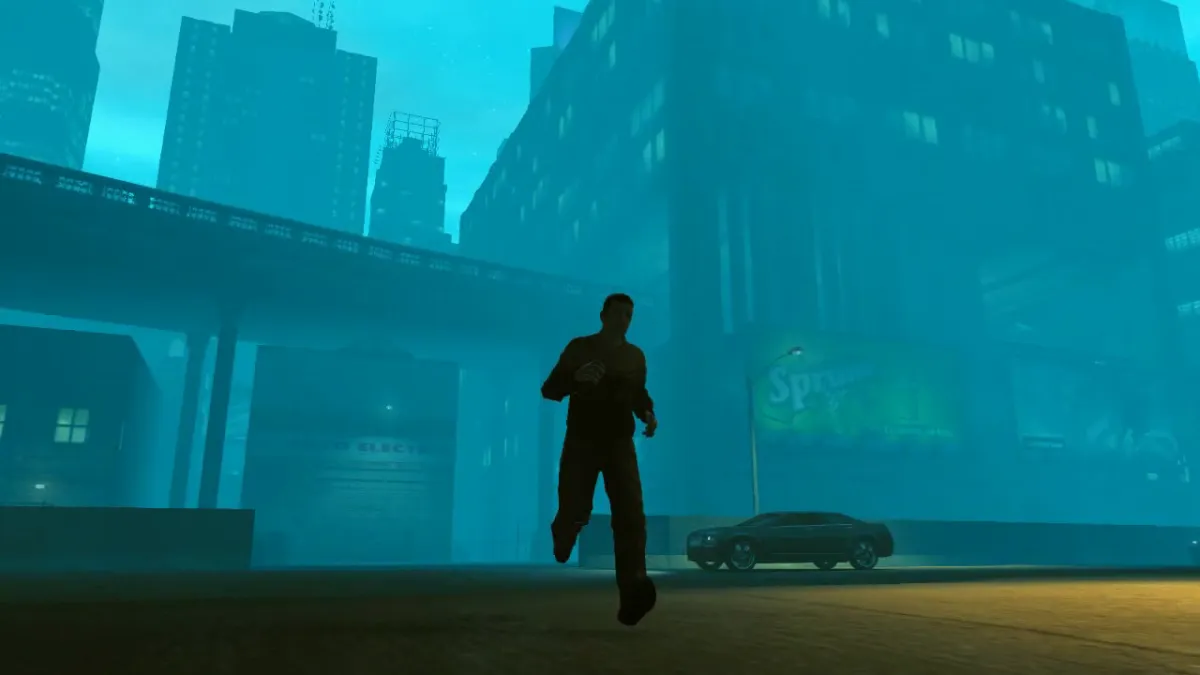
Gamers are all about the fan-fare, or using a game/engine they really like to tell a story. Not too much else going on with it (in a technical sense). I think most of us started out this way. This will be the group that has the most die-hard fans, and game-job employment ops for the more talented teams. See: RvB
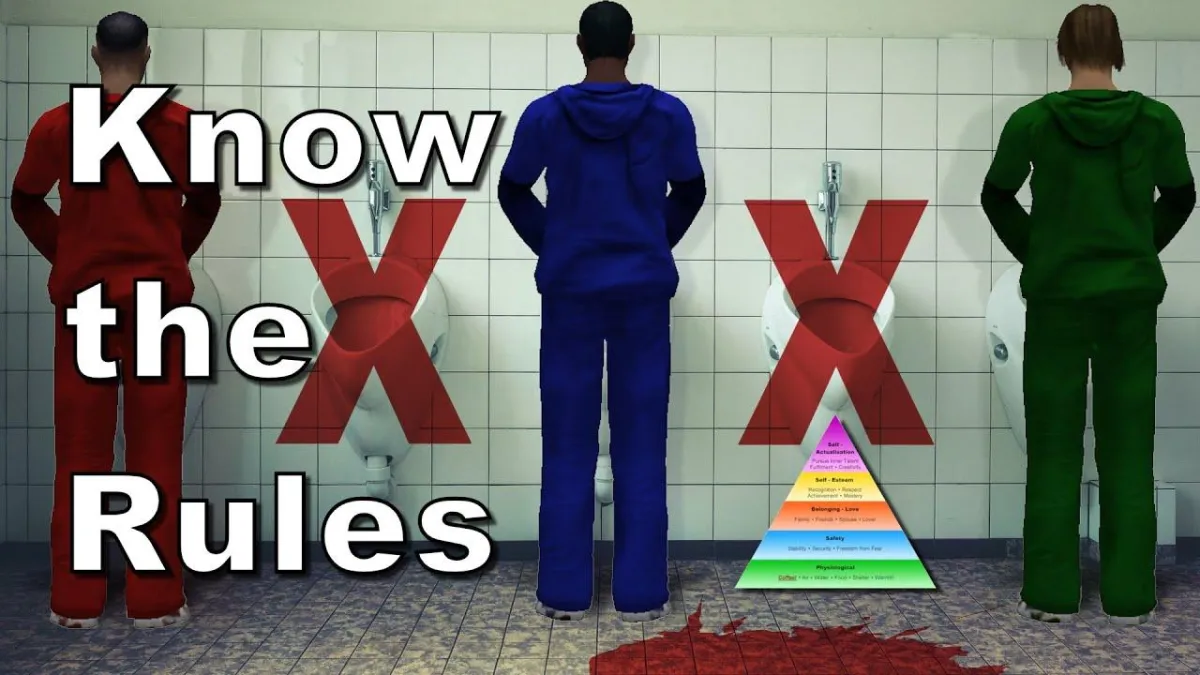
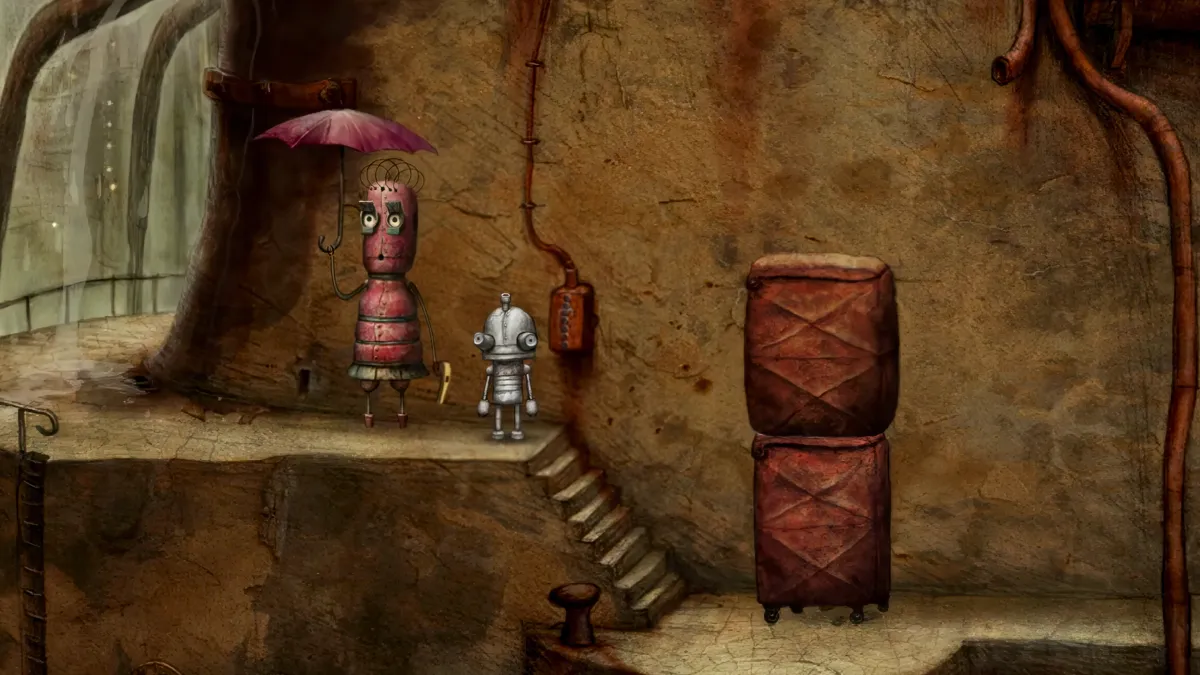
Anymators are all about telling a story in any way they can. Maybe they take WoW characters in a model viewer with some green screen, lay’em over a Sims 2 back drop, and so forth. They are likely to use iClone/MovieStorm type tools. This will be the group that reigns over YouTube and the like. See: Male Restroom Etiquette
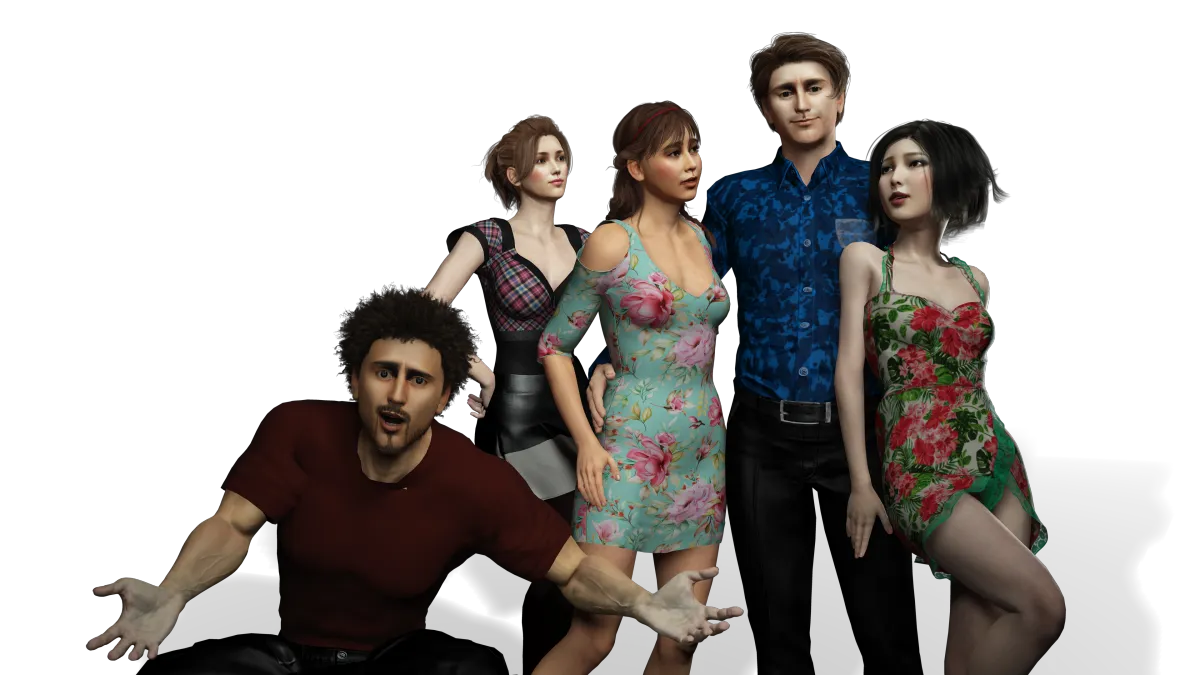
Animators are those suckers who somehow think Machinima is a good replacement for scanline and raytracing. (Yeah, I’m a sucker. =/) This will be the group that will knock down the big walls of traditional acceptance and will dominate the old-school festivals, but I can easily see them missing the boat the Anymators will bank-roll on, because they can never be satisfied by anything less than total control… It’s this total control that makes the old film conventions a mere mater of wanting them, but the cost is losing out on the inherent real-time benefits. See: Person2184
I guess what I’m saying is, with Machinima, it’s impossible to call it out for being one thing or another. Missing one aspect of the moving arts or another. At this point, it all comes down to the directors, and what they wish to present to their audience. Welcome to the future, baby!
Comment by Buddy_DoQ — September 23, 2008 @ 11:50 am
Congrats on the exposure for Apology, Overman. The film (and you) sure deserve it.
Your poster has some good points (as well as Buddy) and I agree with most of them as well. I’ve always maintained that machinima filmmakers need to branch out more in style. Anime is an untapped source for style. Borrowing camera moves and shot selection and then tweaking them to suit your film would result in different style for a machinima film, one that would look less like mainstream film. Anime has a tradition of ignoring established film language.
And I sure agree with you about facial animation; even simple expressions can be very effective in conveying emotion.
Buddy’s division of Machinima groups seems right to me, although I think there is plenty of crossover within the groups.
Comment by Ricky Grove — September 23, 2008 @ 12:24 pm
Ya, you shouldn’t throw out over a hundred years of camera language just because there are new tools/techniques. If you understand the grammar and have practiced it, then go to town, it is motivated and will be filled with deeper meaning. It can be tricky though… ‘did that guy jump the line of action because he didn’t know what it was or because it was motivated?’ (i.e. to subliminally upset the audience in line with the context of the scene).. In Battlestar Galactica you don’t question it, in a low budget machinima production you do. This is why in BW games I keep things ‘traditional’ because its easy for people to assume unprofessionalism in the context of a game. In this case the language of film becomes even more important.
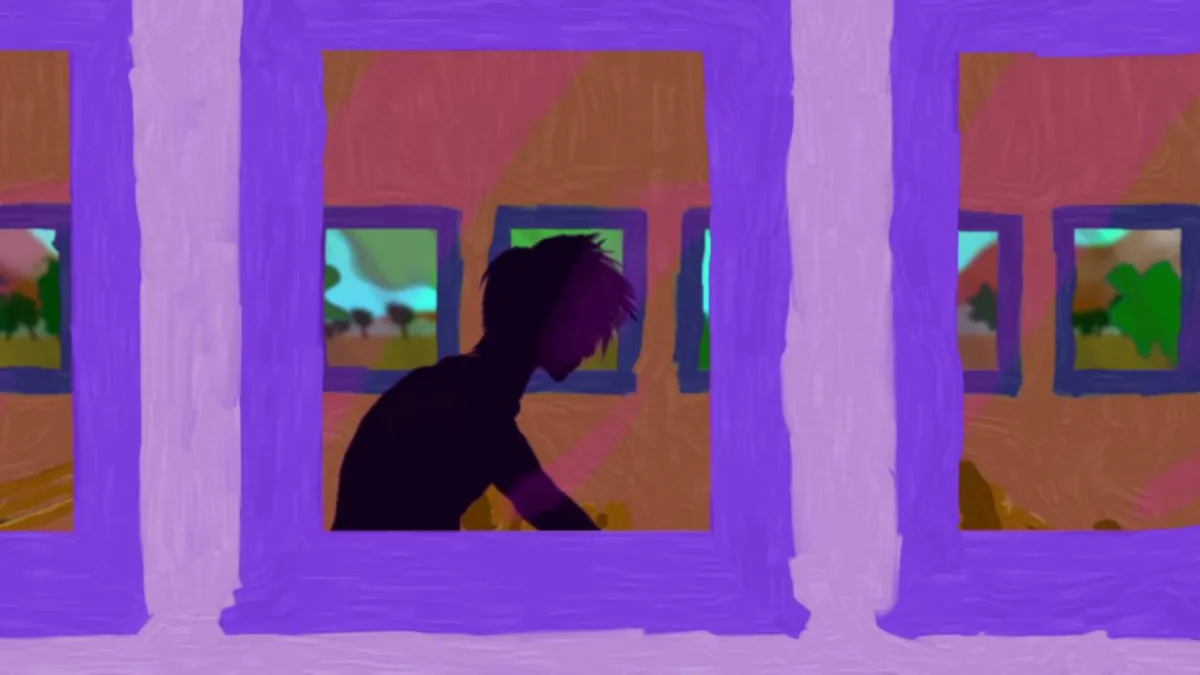
I don’t think machinima will have a new grammer of shots anymore than saying ‘bullet time’ created a new genre of film. And the facial thing… photorealism isn’t the end all of emotional storytelling… you can have a closeup of a scribbled stickman and still feel something (See: The Journey
Ken
Comment by 3dfilmmaker — September 23, 2008 @ 12:28 pm
I have to agree on the facials. This is the main reason we can’t use Antics at this point. We are experimenting with machinima Softskills training and the facials are key to the most rudimentary exercises. We found the new Iclone 3 combined with the Crazytalk to be adequate for our tests. Even the most simplistic emotional context can create a basic emotional connection with a trainee.
Cheers
Curtis
Comment by CurtisC — September 23, 2008 @ 11:40 pm
Congrats Phil! Cool to see journalists acknowledging Machinima isn’t just game orientated anymore, but much wider.
I personally love Machinima because (at the moment at least) it doesn’t have any rules set in stone that film and animation seem to have. There is room for classic techniques, but there is still the freedom to poke about and explore, hopefully create something new.
Facial animations across the board need to be improved though. Showing community works to friends, they always mention the lack of emotion on the character’s faces, especially in an emotional scene. I don’t see it myself, because no doubt I’m used to seeing little facial movement, but it’s an obvious gap between a Machinima viewer and a general viewer I’ve found.
Comment by Trace — September 24, 2008 @ 10:06 am
It’s a hard question to answer. People take differing cues about emotion from context and body language. The exact same same facial expression will be read differently at different times, and will actively attempt to interpret emotion through tone of voice, their own experience and expectations. Viewers will actively work to understand a story, and empathise with the characters. They will, and do see emotion in static faces, or an animator’s pencil drawn lines, once they learn to ‘decode’ the media. Sometimes the ambiguous can be more powerful, because the viewer invests more of themselves in the experience. I think this is about the expectations that people bring when they view machinima for the first few times. If they are looking for alive human faces then they will get confused. Once viewers are enjoying a drama, they will get better at guessing the state of mind of the characters.
Comment by Kate — September 24, 2008 @ 11:26 am